Seasonal Cycles and Physiological Adaptation

How longer-term cycles in light, temperature, and nutrient availability influence metabolic function and energy management

Introduction

Beyond the circadian rhythm of the 24-hour day, human physiology responds to longer cycles that span weeks, months, and seasons. The availability of different foods, the intensity and duration of daylight, and seasonal variations in temperature all influence metabolic physiology in ways that have been embedded in human biology over evolutionary time.

These seasonal adaptations are not arbitrary or culturally constructed. They reflect deep physiological responses to environmental variation that continue to operate in modern humans, even in controlled environments with stable food availability and artificial lighting.

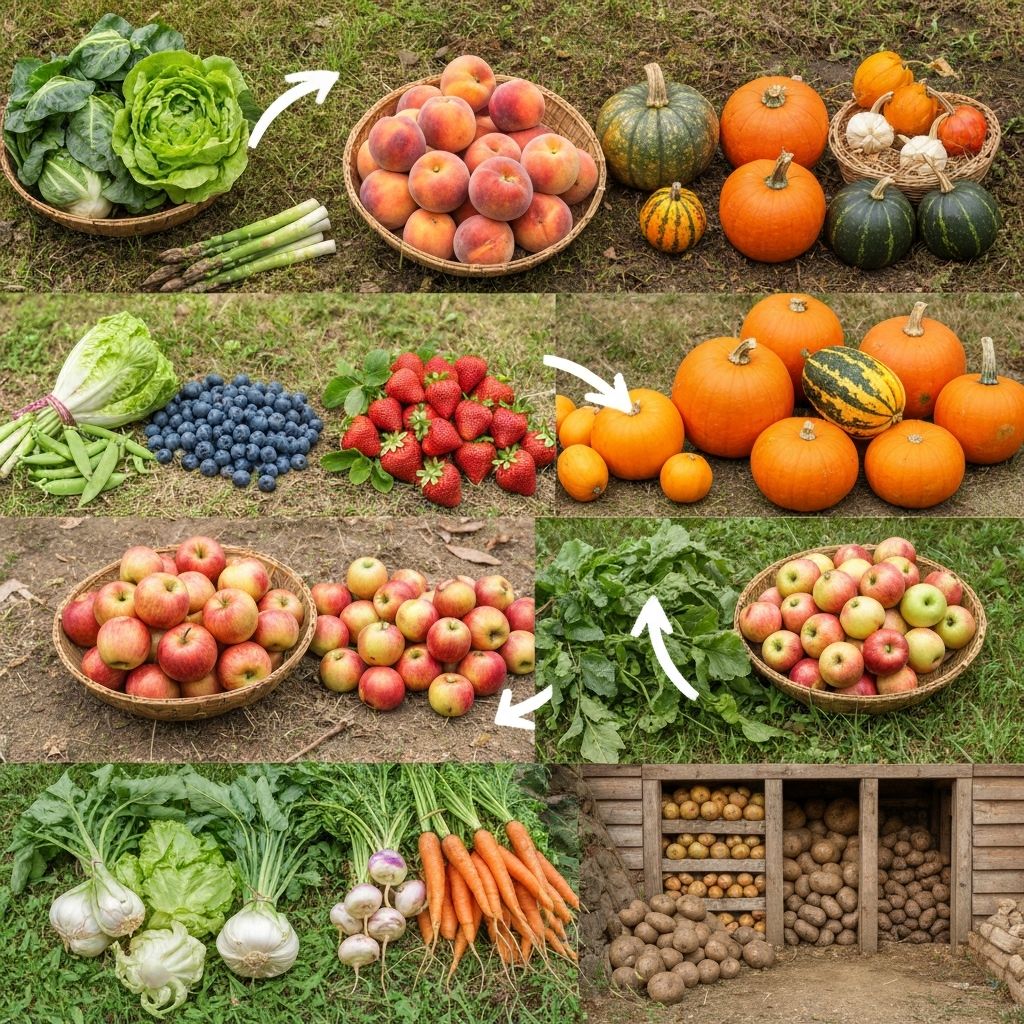
Seasonal progression of natural produce showing seasonal cycles

Seasonal Variation in Light Exposure

The most potent seasonal signal to human physiology is the variation in daylight duration and intensity. Daylight duration varies by latitude, with changes more pronounced in higher latitudes and minimal at the equator.

Physiological Effect: The circadian system responds not just to the light-dark cycle within a single day, but to the seasonal pattern of daily light duration. This longer-term light signal influences metabolic rate, hormone production, mood regulation, and numerous other processes.

The shortened daylight of autumn and winter provides a signal for metabolic and behavioral adaptation. Increased melatonin production, shifts in circadian timing, and changes in appetite regulation are part of the coordinated response to shorter days. Conversely, the longer days of spring and summer shift physiology in the opposite direction.

These are not conscious responses. The changes in light duration directly influence the suprachiasmatic nucleus and the broader circadian system, triggering automatic physiological adjustments.

Seasonal Variation in Food Availability

Throughout most of human evolutionary history, food availability varied dramatically with seasons. Different foods ripened, grew, and were harvested at different times of year. This variation in available nutrients would have required physiological adaptation to process available foods efficiently.

Modern food systems have largely eliminated this seasonal variation in availability, with foods available year-round from global supply chains. However, the physiological systems that responded to seasonal food availability remain present in human biology.

Observation: While food availability no longer varies seasonally in developed food systems, physiological capacity to adapt to available nutrients remains as a latent biological capability.

Research suggests that seasonal cycles in food availability historically influenced metabolic efficiency and storage responses. In spring and summer, with abundant food and longer days, the body would have shifted toward activity and nutrient utilization. In autumn and winter, with scarcer food and shorter days, metabolic efficiency and storage would be promoted.

Temperature and Seasonal Metabolism

Temperature variation across seasons influences metabolic rate and energy expenditure. Cold exposure increases metabolic demand to maintain body temperature. This seasonal variation in temperature-dependent metabolic expenditure may influence the body's overall energy budget.

Winter Physiology
Cold exposure increases metabolic rate; shorter days signal reduced activity; hormonal shifts support energy conservation and storage efficiency
Summer Physiology
Warm temperatures reduce metabolic demand; longer days support alertness and activity; hormonal shifts promote energy utilization

Implication: Seasonal metabolic variation is a feature of human physiology, reflecting evolutionary adaptation to seasonal environmental changes. This variation continues even in individuals living in climate-controlled environments with stable food availability.

Individual Differences in Seasonal Response

While seasonal physiological adaptation is universal, individuals vary in the magnitude of their seasonal response. Some people show pronounced shifts in mood, energy, appetite, and metabolism across seasons. Others show minimal seasonal variation.

Factors influencing individual seasonal responses include:

  • Latitude and geographic location: Greater seasonal light variation at higher latitudes typically produces stronger physiological responses
  • Genetic factors: Genetic variation influences sensitivity to seasonal signals
  • Age and developmental stage: Seasonal responsiveness may vary across the lifespan
  • Lifestyle factors: Exposure to natural light, outdoor activity, and food patterns influence seasonal adaptation
  • Underlying health conditions: Various conditions may amplify or dampen seasonal responses

This individual variation means that the degree to which someone experiences seasonal metabolic shifts—and thus potential seasonal variation in how the body regulates energy—differs substantially between people.

Seasonal Adaptation and Modern Life

Modern humans typically live in environments that minimize seasonal signals: climate-controlled buildings, artificial lighting that removes daily and seasonal light-dark variation, and food availability that remains constant year-round.

Despite these efforts to eliminate seasonal signals, physiological responses to seasonal changes persist. This suggests that the seasonal adaptation systems are robust and continue to respond even in attenuated forms in modern environments.

Observation: Some people report natural shifts in energy, appetite, and mood across seasons despite living in controlled modern environments. This likely reflects the continued operation of deep physiological mechanisms responsive to seasonal signals, even in attenuated form.

Understanding seasonal physiology helps explain why some individuals might experience natural shifts in appetite or energy patterns across seasons, and why some people may find certain approaches to health and activity management feel more natural during certain times of year.

Concluding Thoughts

Seasonal cycles represent a fundamental level of physiological organization in human biology, distinct from and complementary to the daily circadian rhythm. Light duration, temperature, and food availability all vary seasonally, and physiology responds to this variation through coordinated changes in metabolic rate, hormone production, appetite regulation, and other processes.

These seasonal adaptations reflect evolutionary history—millennia during which food availability, daylight, and temperature varied with seasons, and human physiology adapted to accommodate this variation. The seasonal adaptation systems remain present in modern humans, influencing metabolic physiology even in environments designed to minimize seasonal variation.

Recognizing seasonal cycles in physiology helps explain individual variation in how bodies respond to nutrition and activity across different times of year, and provides context for understanding the broader rhythmic organization of human biology.

Educational Content: This article explains the science of seasonal physiology and metabolic cycles. It does not provide personalized recommendations or guarantee specific health outcomes. Seasonal responses vary significantly between individuals based on genetics, location, and lifestyle. For guidance appropriate to your specific situation and seasonal concerns, consult qualified healthcare or nutrition professionals.

Circle back to blog overview →